

led wall mirror bedroom
Understanding the Small Surface Plate A Key Tool in Precision Measurement In the realm of manufacturing and engineering, precision is paramount. Small surface plates are essential tools that play a crucial role in achieving accurate measurements and ensuring the integrity of manufactured components. While they might seem simple at first glance, these plates are fundamental in a variety of applications, from quality control to machining and assembly operations. What is a Small Surface Plate? A small surface plate is a flat, usually rectangular or square piece of material, generally made from granite, cast iron, or other stable, rigid materials. The primary function of a surface plate is to provide a perfectly flat reference plane for measuring, marking, or inspecting the geometry of workpieces. Their size may vary, but small surface plates are typically used in smaller-scale applications or in scenarios where space is constrained. Importance of Flatness The defining characteristic of a surface plate is its flatness. The precision of the plate dictates the accuracy of the measurements taken on it. Manufacturers often measure the flatness of a surface plate using a laser interferometer or a dial indicator. A high-quality surface plate will exhibit minimal deviation from a perfect flat plane, often within a few microns. This is crucial since any imperfections could lead to errors in measurements, which can cascade into bigger issues in production. Materials Used Small surface plates can be constructed from various materials, each with its unique advantages 1. Granite Most commonly used for high-precision applications, granite is resistant to wear and temperature variations, and it remains stable over long periods. Its durability makes it an ideal choice for surface plates, as it does not deform easily under mechanical stress. 2. Cast Iron This material is known for its strength and rigidity. Cast iron surface plates are generally less expensive than granite plates but can be subject to corrosion if not maintained properly . They are often used in workshops where conditions may not be as controlled. small surface plate 3. Ceramics and Other Composites Advanced materials like ceramics may be utilized for specific applications that require resistance to extreme temperatures or chemicals. While these materials can be costlier, they offer unique advantages for niche applications. Applications The applications of small surface plates are vast and varied. They serve as foundational tools in quality control, allowing technicians to verify and calibrate the dimensions of components accurately. In machining processes, surface plates are used to check the flatness and alignment of workpieces, assisting in ensuring that machining processes yield the desired tolerances. Additionally, surface plates are essential in setting up gauges and measuring tools. By providing a stable platform, they help in achieving repeatable and reliable measurements essential for quality assessments. Maintenance and Calibration Maintaining small surface plates is vital for ensuring long-term accuracy. Regular cleaning is necessary to keep the surface free from chips, dust, and debris that could affect measurements. Most manufacturers recommend using a soft cloth and specific cleaning solutions to avoid damaging the plate. Calibration also plays a crucial role. As with any precision measuring tool, it is crucial to perform routine calibrations to maintain accuracy over time. Operators typically check flatness using a calibrated dial indicator to ensure that the surface plate is functioning correctly. Conclusion In summary, small surface plates may seem like simple tools, but they are enablers of precision in manufacturing and engineering. Their role in providing a stable, flat reference plane is indispensable for quality control and measurement tasks. The choice of materials—from granite to cast iron—further enhances their applicability across various industrial sectors. By understanding their importance and maintaining them properly, businesses can uphold the standards of precision that are vital in today’s competitive market. Ultimately, small surface plates represent more than just tools; they symbolize the foundation of accuracy upon which quality manufacturing is built.
about
led wall mirror bedroom
The Versatility and Importance of Butterfly Valves A Manufacturer's Perspective Butterfly valves have gained prominence in various industries due to their unique design, efficiency, and versatility. As a leading butterfly valves manufacturer, understanding the features and benefits of these valves can guide both potential customers and industry stakeholders in making informed decisions. This article delves into what butterfly valves are, their applications, advantages, and the considerations for manufacturers in producing high-quality valves. What are Butterfly Valves? Butterfly valves are quarter-turn valves that use a circular disc to regulate the flow of liquids or gases through a pipeline. The disc, which is mounted on a rotating shaft, can be turned 90 degrees to either allow or restrict flow. This simple yet effective design makes them suitable for various applications, including water supply, wastewater treatment, chemical processing, and HVAC systems. Applications of Butterfly Valves The versatility of butterfly valves permits their use across a myriad of sectors. In water treatment facilities, for example, they are often employed to control the flow of water through treatment processes. In the oil and gas industry, butterfly valves are essential in regulating the flow of hydrocarbons, making them indispensable in pipeline systems. Additionally, these valves are commonly used in food and beverage processing, where hygiene and efficiency are paramount. Their lightweight structure allows for quick installation, and their compact design is advantageous in systems with space constraints. Advantages of Butterfly Valves 1. Efficiency Butterfly valves require less space than traditional gate or globe valves, making them easier to install in tight spaces. Their design allows for quick operation, providing a more efficient flow control mechanism. 2. Cost-Effectiveness The manufacturing process for butterfly valves is generally less complex, resulting in a more economical product. Their lightweight construction also leads to savings in transportation and installation costs . butterfly valves manufacturer 3. Durability High-quality butterfly valves are designed to withstand extreme temperatures and pressures. Materials such as stainless steel, ductile iron, and various polymers can be employed to enhance resistance to corrosion and wear. 4. Low Maintenance Once installed, butterfly valves typically require minimal maintenance. Their simple design reduces the potential for leaks and mechanical failures, which translates to lower downtime and operational costs. 5. Versatile Design Options Butterfly valves can be customized to suit a variety of operational requirements. Options such as soft seals, metal seats, and various actuation methods (manual, electric, or pneumatic) enhance their adaptability. Considerations for Manufacturers As a manufacturer of butterfly valves, several critical factors must be considered to ensure the production of high-quality products. First, the selection of materials is vital. Using the right materials not only enhances the valve's lifespan but also ensures compatibility with different types of fluids. Second, manufacturers must adhere to industry standards and regulations. Compliance with certifications such as ISO, API, and ANSI guarantees that the valves meet stringent quality and safety criteria. Moreover, investing in advanced manufacturing technologies, such as precision machining and automated assembly, can significantly improve product quality and consistency. Finally, maintaining strong relationships with suppliers and customers allows manufacturers to receive valuable feedback, which can guide product improvements and innovation. Conclusion Butterfly valves represent an essential component in fluid control systems across various industries. Their efficiency, cost-effectiveness, and versatility make them a preferred choice for many applications. As a butterfly valves manufacturer, prioritizing quality, compliance, and innovation is crucial for meeting market demands and ensuring customer satisfaction. By understanding the importance of these valves and their applications, manufacturers can continue to contribute to the advancement of fluid management solutions worldwide.
-

High quality industrial productsagement

High quality industrial products
View Details -

Meet the diverse needs of customers

Meet the diverse needs of customers
View Details -

Strict quality control

Strict quality control
View Details -

Top raw materials

Top raw materials
View Details -

Trusted supplier

Trusted supplier
View Details
Our application



news and information

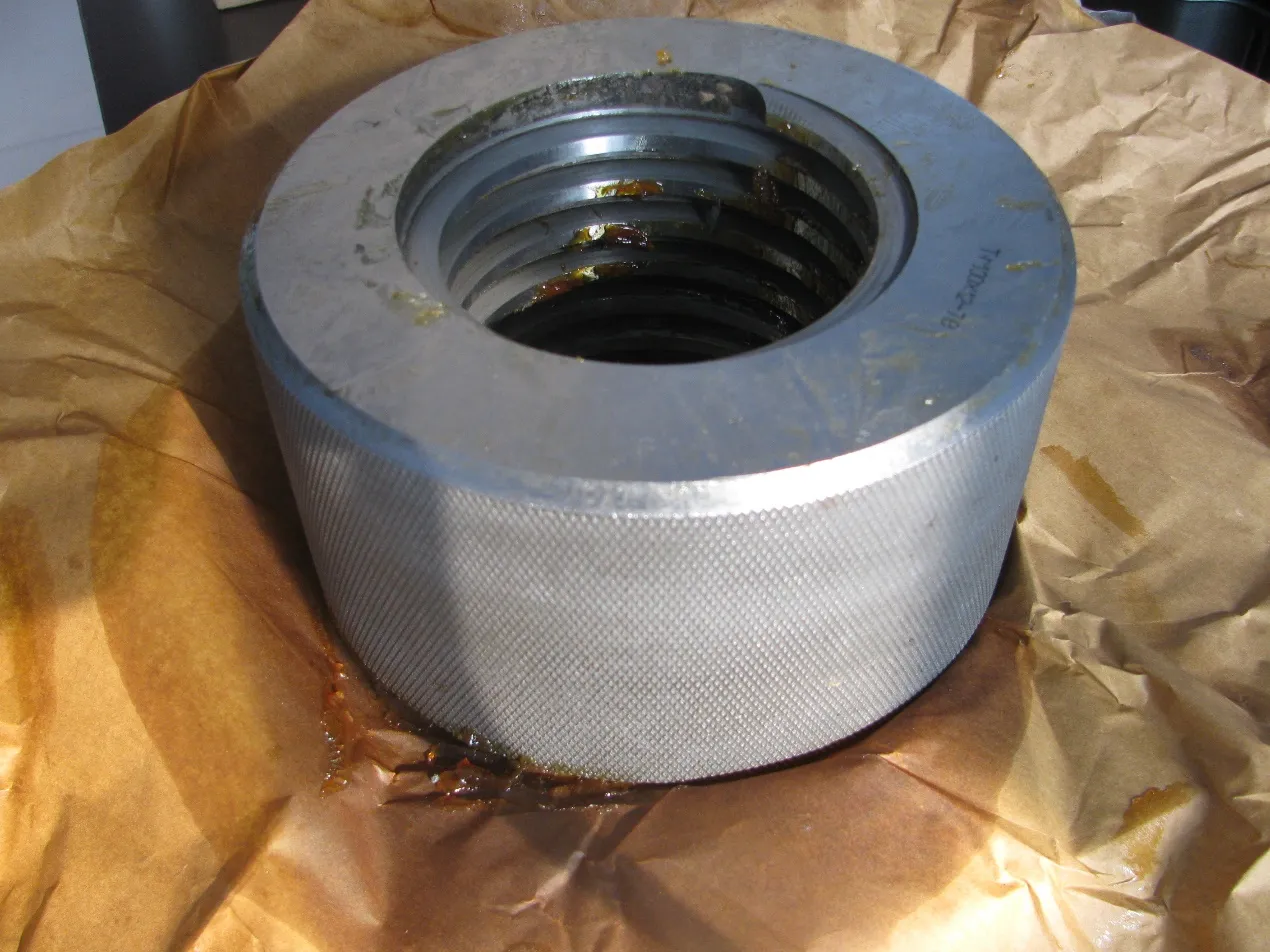
What is the Use of a Thread Ring Gauge_
When it comes to precision in manufacturing and quality control, ensuring the accuracy of threads is
water shutoff valve
Understanding Water Shutoff Valves An Essential Home Component Water shutoff valves are crucial comp
Water Meter Shutoff Valve Installation and Maintenance Guide
Understanding Water Meter Shut-Off Valves Importance and Functionality Water meter shut-off valves a
 English